
Introduction to the project; to the nature of collections, its acquisition, its taxonomy, presentation, housing, as well as our first visit to a museum.
We had an extensive and compelling 2 introductions to the project and nature of collections. From eclectic collection of all the possibilities in arranging and categorising collections: from alphabetical order, colour and material, size and description, geographical location, grouping by type and theme, artist or collector, taste and style.
Other artists or curators took these aspects even further, and layer multiple meanings and categorisation into one, exploring the new relationships created, such as Richard Wentworth with his Boost to Wham, Claire Twomey and her engaging interventions, or David Shrigley shining a critical eye on how objects are displayed and what ideas are presented in public establishments.


Scrutinising and looking at museums and collections more deeply raised basic questions of what they are actually for, and what can we find in them or what can we learn from them.
Cardiff Museum was constructed later than any other major cities, as a status of newly established, industrial cities. Built together and alongside the the City Hall and the Court of Justice, as an essential part in the life of city and it’s urbanised community.
The classical building, build in modern industrial era is presenting a forward-looking ideas, showing the past but finishing with the ambitions of current workers, about the social progress, advancing to a female graduate.
The main art collection that the Museum holds is the acquisitions of the Davies Sisters. Their industrial father built the 2nd largest port of that time in Barry (after Cardiff).
Despite the extreme industrial landscape of then current Cardiff and the area, and the source of their inherited income, their choice in art was mainly based on romantic landscape, and mythical imagery and figures; seemingly to counteract the ugliness, desperation and fast progress caused by the rapid industrialisation.
Their collection show the middle ground between the current, very conservative art of the Royal Academy of Arts, such as Constable, and The New English Club and avant-garde with acquisitions like Monet, Rembrandt or Van Gogh. Other acquisitions include works by Walter Sickert, Augustus John, Rodin, Van Gogh or J.M.W Turner.

This really makes the answers even more complex and raises more questions. Mostly about context and motivations for a collections. Through who’s eyes is the art collection reflecting the world they see. What is the art doing to them and what to public that see it. How the ethos of the building and the institution shapes the collections and ideas presented. ….

 After an initial introduction to the External Collaboration part of our Field module, we were divided into a groups and handed a pack of postcards depicting book covers of classical children’s books published by Ladybird.
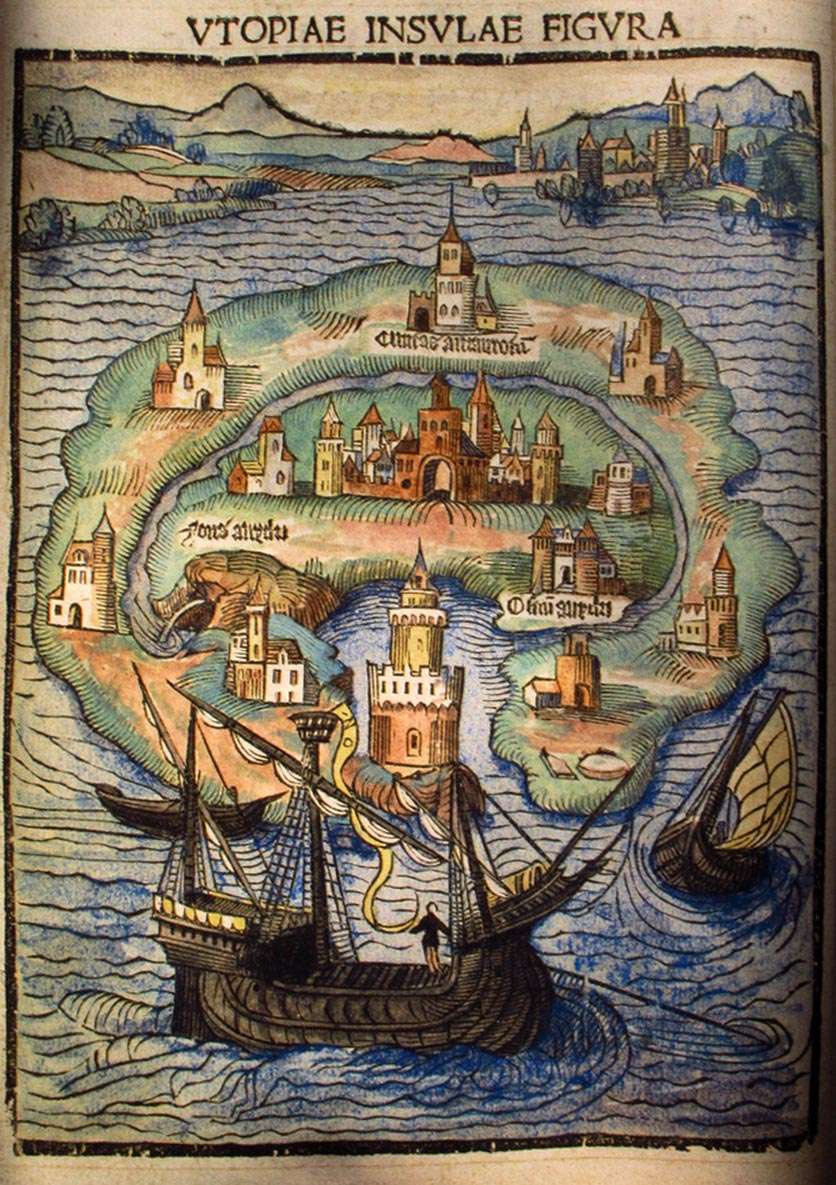 interested in, a brief tale throughout history showing ideas about utopia and dystopia in art and culture.
 through well designed objects and art, which can influence users, changing the world for better through art and design.


 Ceramic Líška